
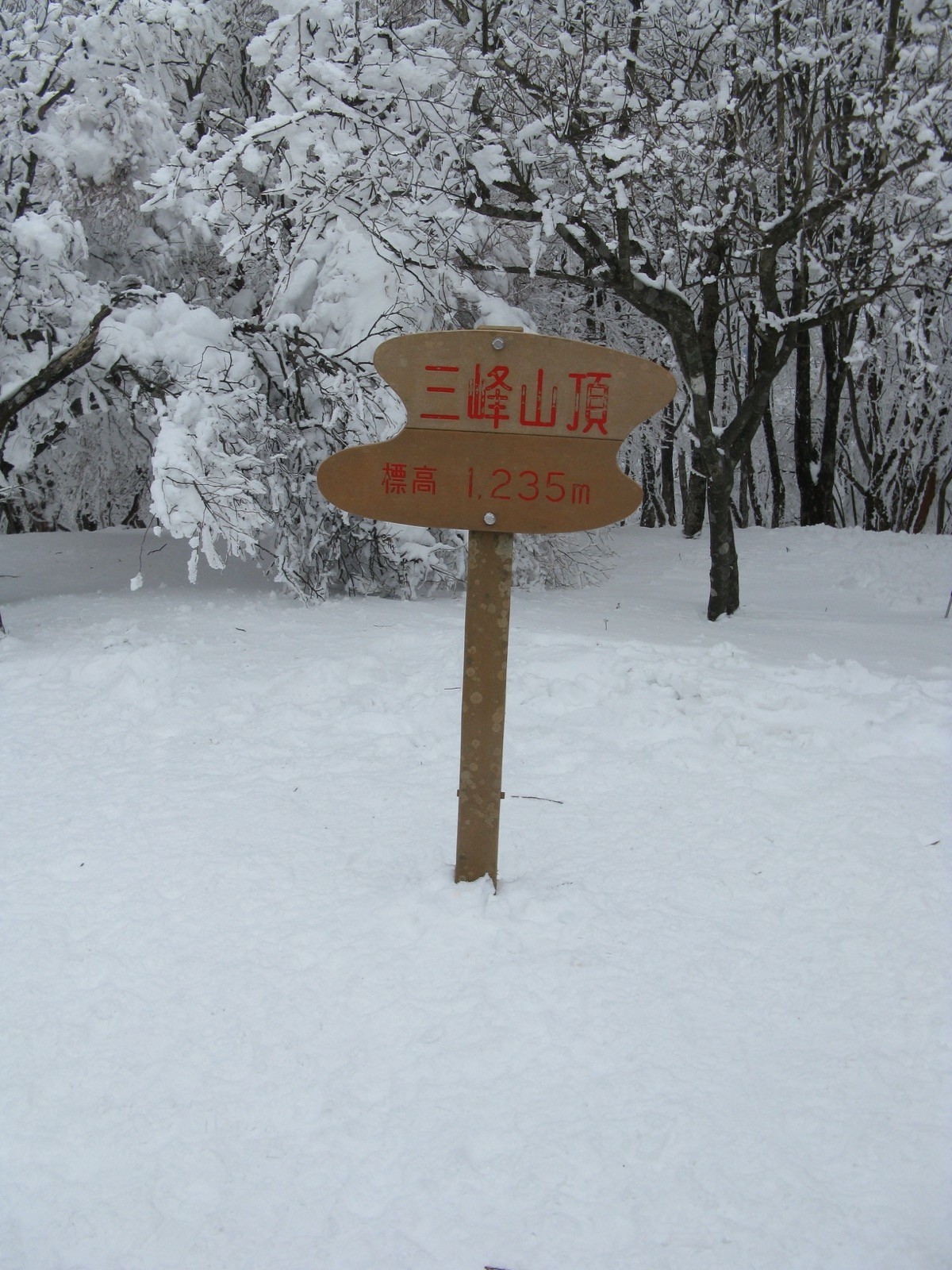
Mount Miune (Miuneyama, 1,235 m) sits on the border of Mitsue Village in Nara and Matsusaka and Tsu cities in Mie, and is one of Japan’s 300 Famous Mountains.
With the gentle ridgeline of the northern Daikō range, its appeal lies in the rime ice that decorates the summit in winter and the snowfield and views of Hatchō-daira. During the winter rime-ice festival a direct “Rime Bus” runs from Kintetsu Haibara Station to the trailhead, making it easy to reach by public transport.
For access, take the Nara Kotsu Rime Bus (in winter) or a taxi from Kintetsu Haibara Station to Mitsue Youth Travel Village.
The trailhead is Mitsue Youth Travel Village (about 560 m), with parking, toilets and a rest facility. The main route is trailhead → Fudō Falls → emergency hut → Miune Pass → Mount Miune (1,235 m) as a circuit, an intermediate route with a standard time of about 4–5 hours. Hatchō-daira on the south side of the summit is a gentle snowfield, and the rime ice in January–February is superb.
The best season is all year (the rime-ice season in January–February is popular). Light crampons are essential in the rime-ice season. Always check the latest bus operating days and reservation status before you go.
*Last checked: June 6, 2026
How to access the trailheads
1. [There & Back] Haibara Station ⇄ Mitsue Youth Travel Village (Rime Bus & taxi)
Haibara Station on the Kintetsu Osaka Line is your base. During the winter rime-ice festival take the direct Rime Bus to the trailhead; at other times of year use a taxi.
① Haibara Station → Mitsue Youth Travel Village (Nara Kotsu Rime Bus, winter)
This reservation-only seasonal bus runs Haibara Station South Exit dep. 7:45 → Mitsue Youth Travel Village arr. 8:54. In 2026 it runs on weekends and holidays from January 17 to February 15, 3,200 yen round trip, reservation required.
② Mitsue Youth Travel Village → Haibara Station (return, Rime Bus)
From the descent point, Mitsue Youth Travel Village, it is 16:00 dep. → Haibara Station, a schedule designed for hikers doing the summit circuit.
③ Taxi (outside the rime-ice season)
Outside the Rime Bus period public transport is limited, so a taxi from Haibara Station is reliable (about 40–50 minutes to Mitsue Youth Travel Village).
— Uda Kintetsu Taxi (Haibara) 0745-82-0234
④ Rime Bus reservations: book online or by phone from 9 a.m. one month before your travel date until 4 p.m. the day before. During the rime-ice festival there are also local-produce stalls and souvenirs at the venue.
By car: there is parking at Mitsue Youth Travel Village.
References: [Nara Kotsu Rime Bus] / [Mitsue Village: Miune Rime-Ice Festival]
Trail Guide and Safety Notes
Route: Mitsue Youth Travel Village → Fudō Falls → emergency hut → Miune Pass → Mount Miune (1,235 m) circuit. The standard time is about 4–5 hours, an intermediate route. There are the Fudō Falls course and the Noborio course, which can be combined into a loop. Hatchō-daira on the south side of the summit is gentle and a good place to rest.
Rime ice and winter gear: in the January–February rime-ice season the summit area freezes and gets snow. Light crampons (chain spikes), warm clothing and gloves are essential, and take care on the slippery stream section of the Fudō Falls course.
Views and seasons: from the summit and Hatchō-daira there are views toward Ōdaigahara and Mount Takami. The rime-ice season is the most popular, while the fresh greenery and autumn colours offer quiet walks too.
Equipment and emergencies: carry rain gear, warm clothing, a headlamp, a map/GPS and plenty of food. In an accident or emergency call 110 (police) or 119 (fire/ambulance).
・Sakurai Police Station 0744-42-0110
Photo by KENPEI / Wikimedia Commons, CC BY-SA 4.0
Comments